
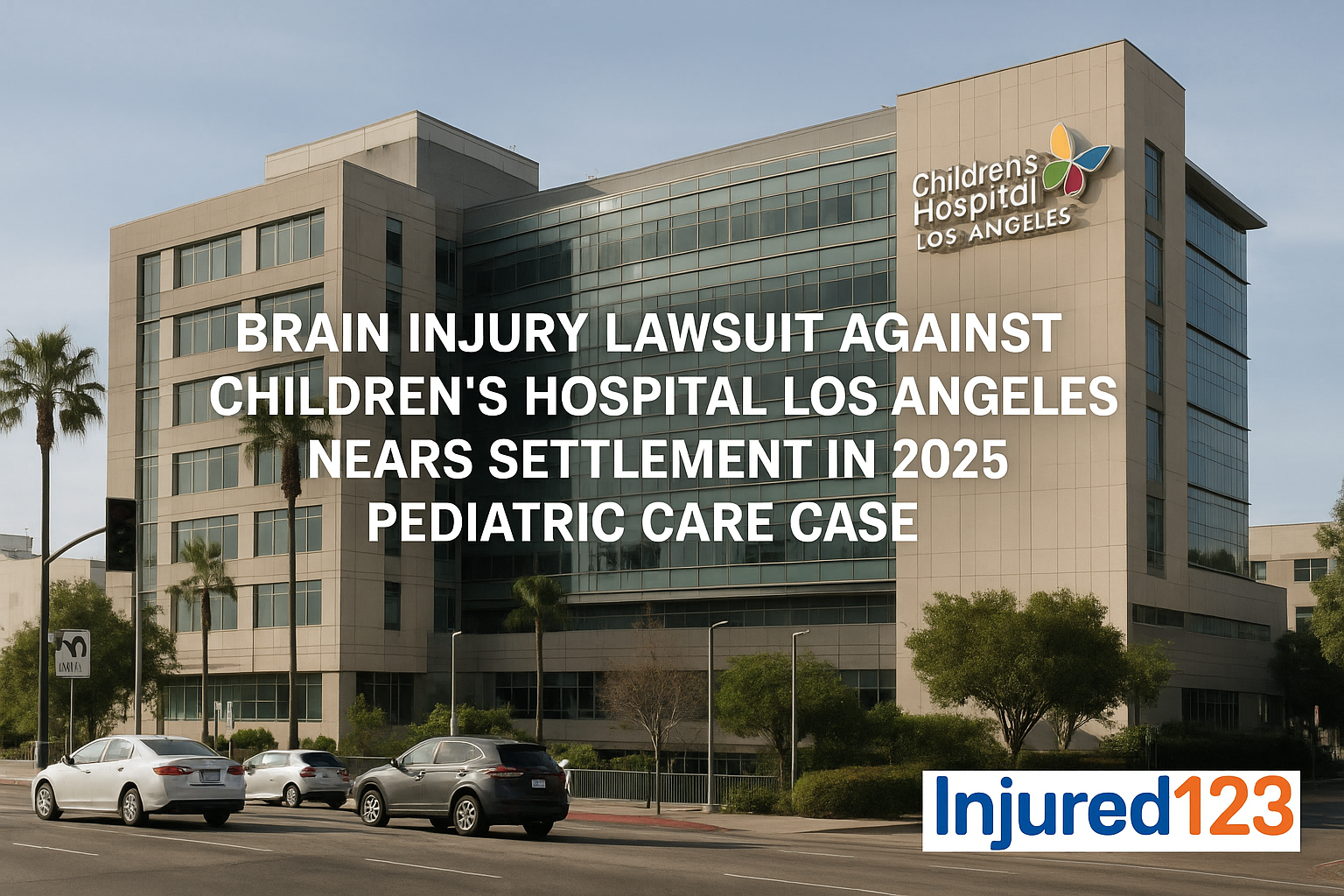
In a significant development, a tentative settlement has been reached in a lawsuit filed against Children’s Hospital Los Angeles (CHLA) concerning a severe brain injury sustained by a then-3-year-old boy during his leukemia treatment in 2025. The boy, now 4 years old, suffered a hypoxic brain injury following a cardiac arrest caused by an acute airway blockage and delayed resuscitation efforts in the hospital’s sedation suite.
The lawsuit, filed by the child’s guardian in Los Angeles Superior Court, alleges that improper use of a suction device and delayed emergency response contributed to the boy’s injury. The hospital has denied liability, asserting that all care was properly consented to and administered. The case remains conditionally resolved pending formal dismissal.
This incident underscores the complexities and risks involved in pediatric hospital care, especially for vulnerable patients undergoing treatment for serious conditions such as leukemia.
Start Your Claim: If you or a loved one has suffered a serious injury due to medical care in Los Angeles County, it is crucial to understand your legal rights. Contact experienced Los Angeles County personal injury attorneys to discuss your case and explore your options for compensation.
What Happened in the Crash
The incident occurred on May 22, 2025, at Children’s Hospital Los Angeles during the boy’s leukemia treatment. The child had been transferred to CHLA from Glendale Adventist Hospital for diagnostic testing and further care after presenting symptoms including lethargy, fever, and nosebleeds.
According to the lawsuit, a nurse used a hard plastic suction device attached to wall suction to clear the boy’s airway. This device was allegedly inappropriate for a young leukemia patient with low platelet counts and a history of nosebleeds (epistaxis). The suctioning reportedly caused a laryngospasm, which blocked the airway and led to hypoxia—a critical drop in oxygen levels.
The hypoxia precipitated a cardiac arrest. Although a nurse activated the code blue alarm in the room, the suit claims the nurse was unaware that additional steps were required to notify the hospital’s emergency response team. Specifically, the nurse did not press the necessary phone code to alert the operator, delaying the arrival of resuscitation personnel.
Following the cardiac arrest, the boy was resuscitated but suffered a severe hypoxic brain injury. He was discharged from the hospital on June 25, 2025, and has since been receiving outpatient leukemia treatment and therapy for motor disabilities at home.
Why This Location or Type of Crash Raises Serious Safety Concerns
Children’s Hospital Los Angeles is a leading pediatric medical center, yet this case highlights potential vulnerabilities in hospital protocols, especially in emergency response and pediatric care equipment use.
Risks in Pediatric Airway Management
Leukemia patients, particularly young children, often have compromised immune and hematologic systems, making them susceptible to complications from invasive procedures. The use of inappropriate suction devices can cause airway trauma or spasms, as alleged in this case. Proper equipment selection and staff training are critical to prevent such adverse events.
Emergency Response Protocols
The delay in notifying the code blue team points to possible gaps in hospital emergency communication systems or staff training. Code blue situations require immediate and coordinated responses to prevent irreversible damage or death. Hospitals must ensure that all staff understand the full protocol, including how to activate emergency teams promptly.
Legal Questions After This Type of Accident
Medical malpractice claims involving brain injuries during hospital care often focus on whether the standard of care was breached and if that breach caused the injury.
Potential Liability Factors
In this case, liability may be investigated regarding:
- The choice and use of the suction device on a vulnerable pediatric patient.
- The adequacy of staff training on emergency protocols, including code blue activation.
- Whether the hospital obtained proper informed consent for the procedures performed.
Proving Medical Negligence
To succeed in a claim, the injured party must demonstrate that the hospital or medical staff failed to meet the accepted standard of care and that this failure directly resulted in the brain injury. Expert medical testimony is typically required to establish these points.
Compensation That May Be Available After a Serious or Fatal Crash
Victims of medical malpractice resulting in catastrophic brain injury may be entitled to various forms of compensation, depending on the case facts and jurisdiction.
Types of Damages
- Economic damages: Medical expenses, ongoing therapy costs, lost future earnings, and costs for assistive care or home modifications.
- Non-economic damages: Pain and suffering, emotional distress, loss of enjoyment of life, and loss of consortium for family members.
- Special damages: Costs related to long-term care, rehabilitation, and adaptive equipment.
Given the boy’s diagnosis of cerebral palsy, motor disabilities, and language delays, the financial impact is expected to be significant and lifelong.
How Families Can Protect Their Rights
Families facing similar situations should take steps to protect their legal rights and ensure proper care for their loved ones.
Document Medical Care Thoroughly
Keeping detailed records of all medical treatments, communications with healthcare providers, and therapy progress is essential. These documents can support any future legal claims and help medical experts understand the case.
Consult Experienced Legal Counsel Early
Engaging with knowledgeable attorneys, such as Los Angeles County personal injury attorneys, can help families navigate complex medical malpractice claims. Early legal advice can also preserve evidence and ensure timely filing of lawsuits within applicable statutes of limitations.
Understand the Claims Process
Medical malpractice cases often require expert evaluations, negotiations with insurance companies, and sometimes litigation. Families should be prepared for a potentially lengthy process and seek support from legal professionals experienced in catastrophic injury cases.
Frequently Asked Questions
What is a hypoxic brain injury?
A hypoxic brain injury occurs when the brain is deprived of adequate oxygen, leading to damage that can affect motor skills, cognition, and other functions.
How soon should a medical malpractice claim be filed?
In California, medical malpractice claims generally must be filed within one year from the date the injury was discovered or should have been discovered, subject to certain exceptions.
Can families recover damages for ongoing care costs?
Yes, compensation can include current and future medical expenses, rehabilitation, and costs related to long-term care needs.
What role do expert witnesses play in these cases?
Medical experts help establish the standard of care and whether it was breached, which is critical to proving negligence in malpractice claims.
If your family has been affected by a serious injury due to medical care, it is important to seek professional legal guidance. Contact Golden Coast Trial Attorneys for a free case review to understand your rights and options.
Source: MyNewsLA – CHLA Tentatively Settles Suit Over Alleged Brain Injury